If the first fifteen minutes of your school day feels like the hardest part to get right, you’re not imagining it. There are backpacks to unpack, folders to collect, and attendance to complete, among other things. Here’s what I’ve found in my own classroom: a strong morning routine is not only helpful, but it is necessary. We say it all the time, but the first fifteen minutes of the day really does set the tone for the rest of the day. This is why I have created a predictable system for my students using my monthly morning work review. Not only do they serve as a classroom management tool, but they also provide meaningful, grade-level content review for the entire year. FIRST-GRADE MORNING WORK BUNDLE
WHY THE FIRST 15 MINUTES SET THE TONE FOR THE WHOLE DAY
Young children thrive on predictability. First graders are still developing executive function skills. Without clear structure, transitions can feel overwhelming, and that overwhelm often shows up in behaviors such as wandering or refusing to settle in. Predictable routines eliminate the need for students to try to figure out what to do next on their own. When students know exactly what is expected of them the second they walk in, there’s no guesswork, no waiting, and far less room for off-task behaviors. This is why a good morning routine is so important. It is not just something to use for keeping students busy. It is the first procedure of the day, and how well it runs often predicts how smoothly the rest of the morning goes. FIRST-GRADE HALF YEAR BUNDLE
WHAT MORNING TASKS SHOULD ACTUALLY BE DOING
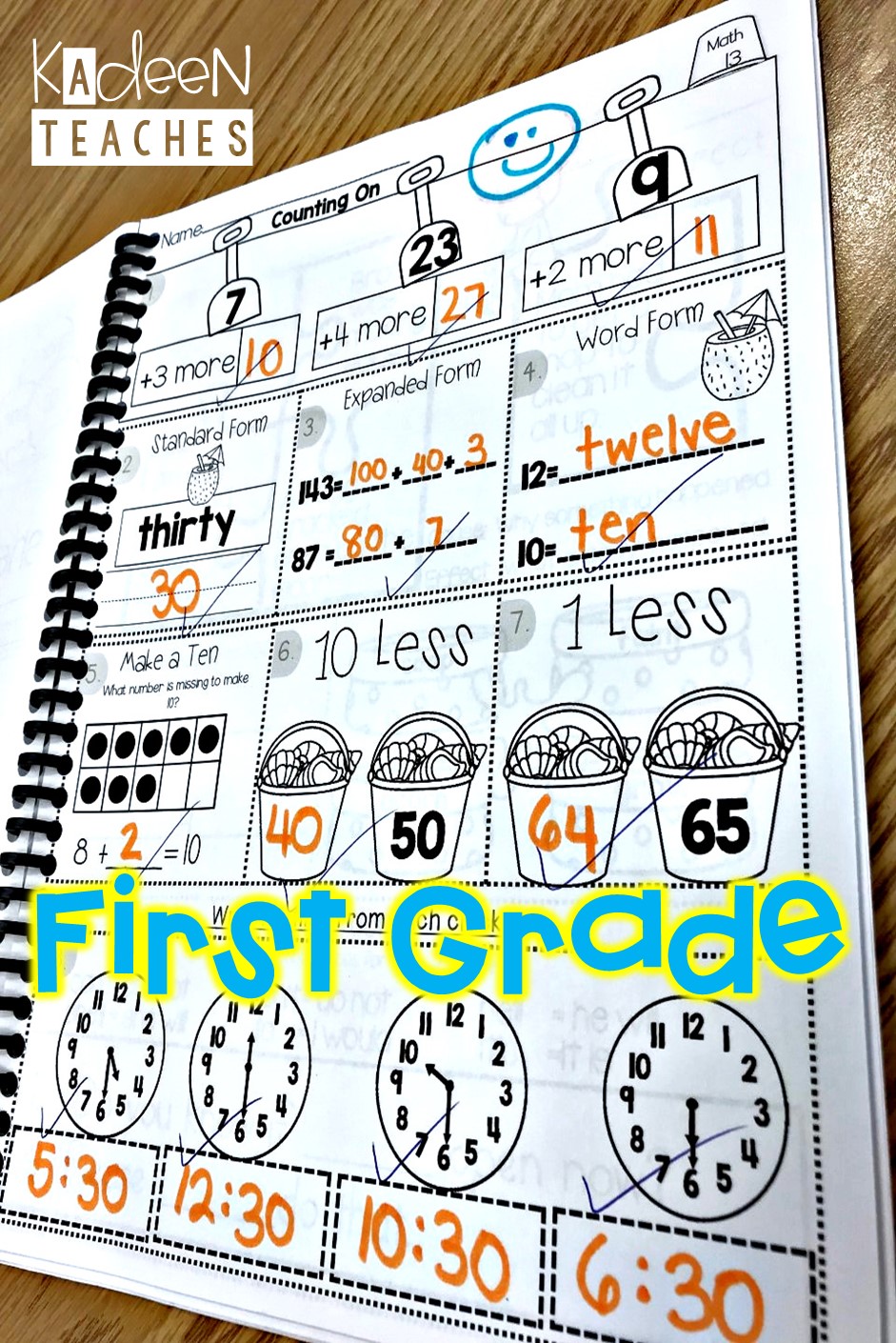
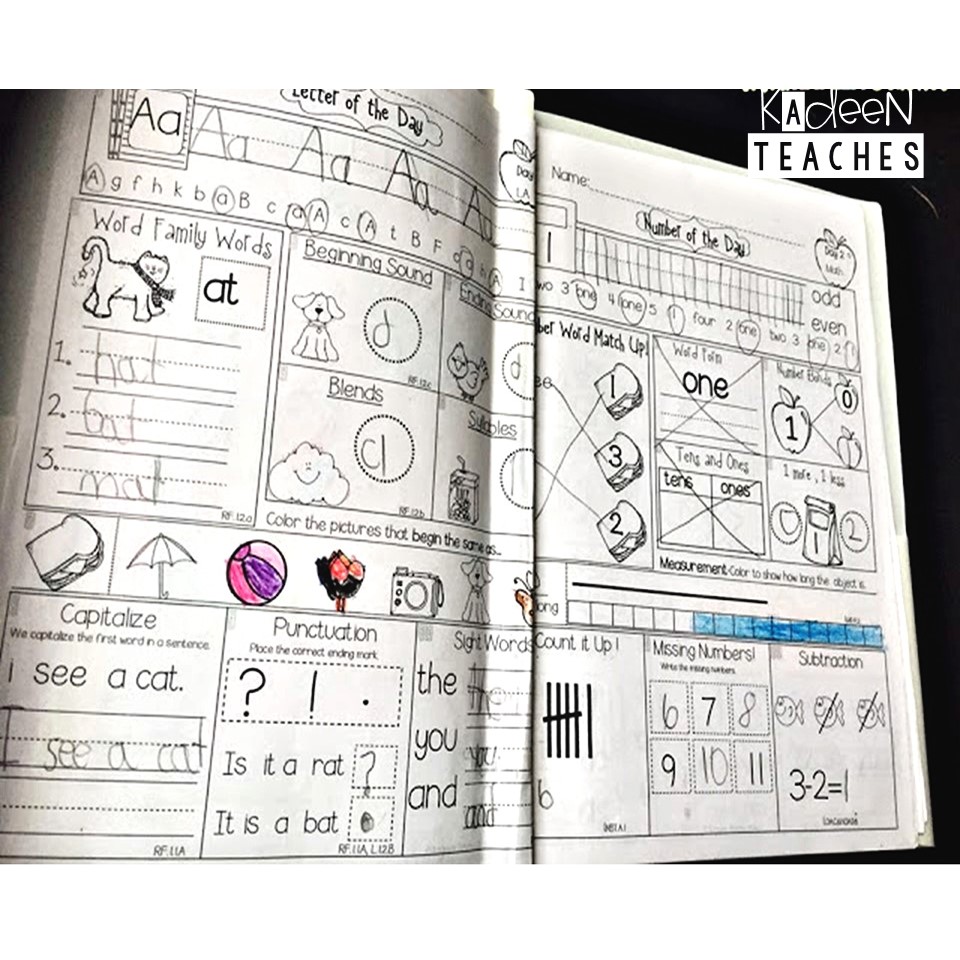
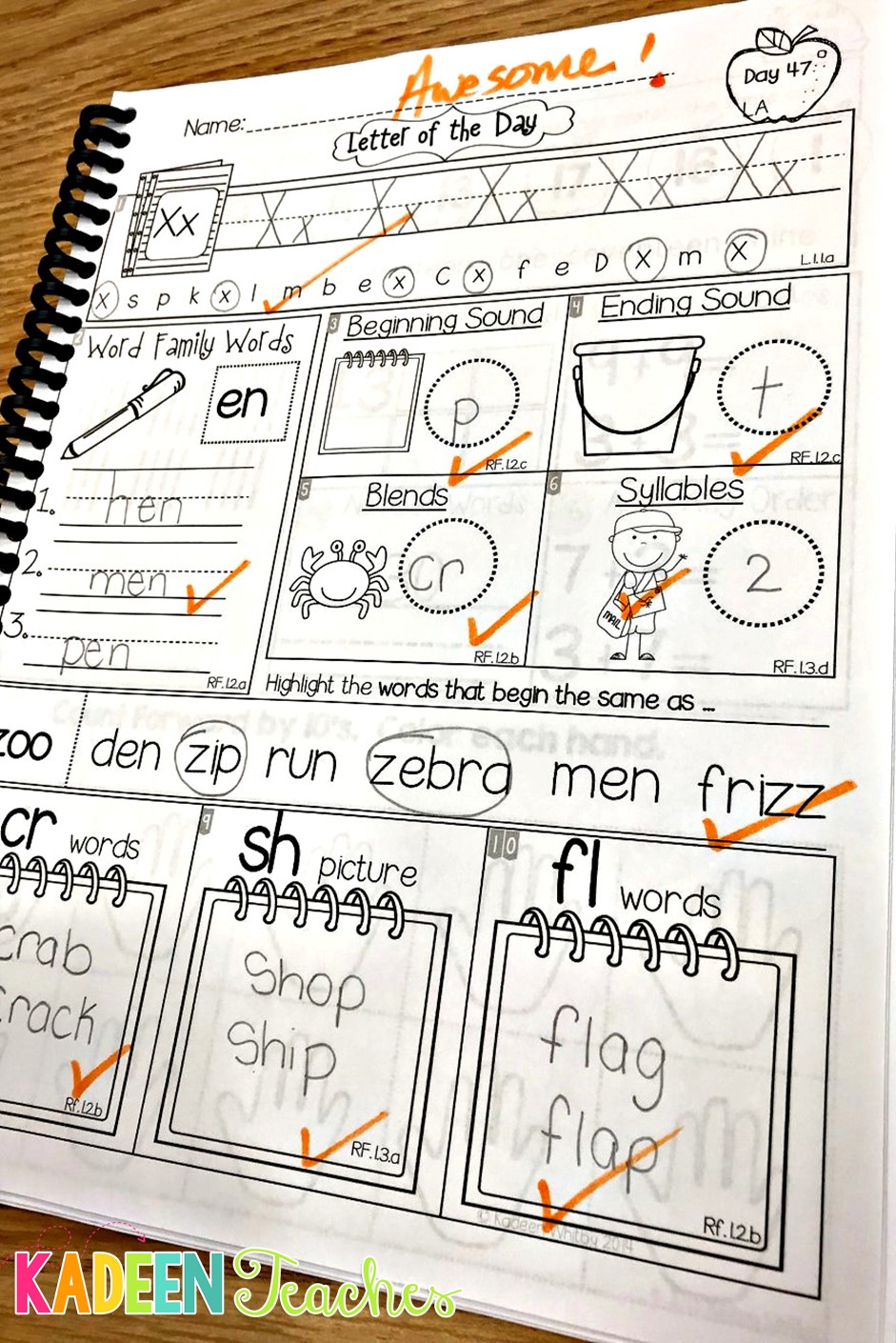
Whatever you choose to do for the first 15 minutes should actually be helping students settle in and get ready for the rest of the day. Your routine should be helpful, predictable, and strong. In a first-grade classroom, the monthly morning work books provide all of this in addition to helping you bridge the gap between grade-level content by keeping skills fresh so nothing gets forgotten between units. This is the part I love. At times, our lessons move so quickly, leaving little room to really master concepts. Well, this is where I fill in those gaps with the monthly themed spiral review that covers past and future grade-level concepts so students can really be grounded in what they have been learning. Instead of one-off worksheets with no connection to each other from day to day, these packets are built around the B.E.S.T. standards and foundational skills that first graders need to succeed. First grade covers a lot of skills throughout the year, but at times it feels rushed. We move from one concept to the next so quickly. FIRST-GRADE MORNING WORK HALF YEAR BUNDLE
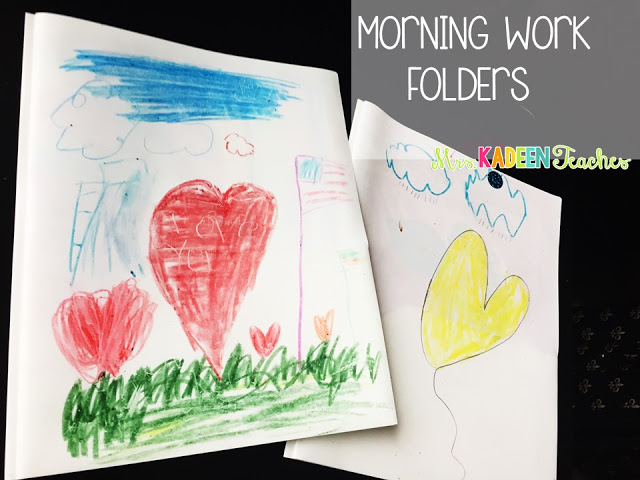
The challenge isn’t just to teach these skills, but to help them stick and provide a solid foundation. Another benefit is that you only need to print your monthly packet once, place it in your students’ morning work folders and not worry about finding worksheets every morning or activities each day to fill that time slot. First Grade Morning Work Bundle
First Grade Morning Work August
First Grade Morning Work September
First Grade Morning Work October
First Grade Morning Work November
First Grade Morning Work December
First Grade Morning Work January
First Grade Morning Work February
First Grade Morning Work March
First Grade Morning Work April
MORNING WORK PACKETS VS. MORNING TUBS
If you have spent any time in first grade or kindergarten, you’ve probably used morning tubs or have seen other teachers using morning tubs as an option for those first few minutes when students arrive. These are hands-on materials like building blocks, magnetic tiles, or craft sticks that students explore as they arrive. Morning tubs are a great option, and I have used them as well. But they solve a slightly different problem than a paper-based, standards-aligned morning work routine. Morning tubs shine when the goal is to ease kids into the day socially and physically. They’re low-pressure and encourage creativity and problem-solving. The trade-off is that they are generally not tied to any particular academic standard, and if they are, there is no way to track whether they are doing what they’re supposed to be doing correctly unless you are walking around monitoring them. Morning work packets shine when the goal is to combine a calm, independent routine with direct, ongoing academic reinforcement. I can also quickly see which students are progressing through the skills and which students still need more help. Therefore, they are a great monitoring tool that I can use to track student progress. The trade-off is that they are less hands-on and best suited for calmer, more structured mornings. Neither is better, just different. It really comes down to what your class needs, your approach to instruction, and what you want to accomplish in those first few minutes. I have done a combination of both. On Fridays, we pull out the tubs.
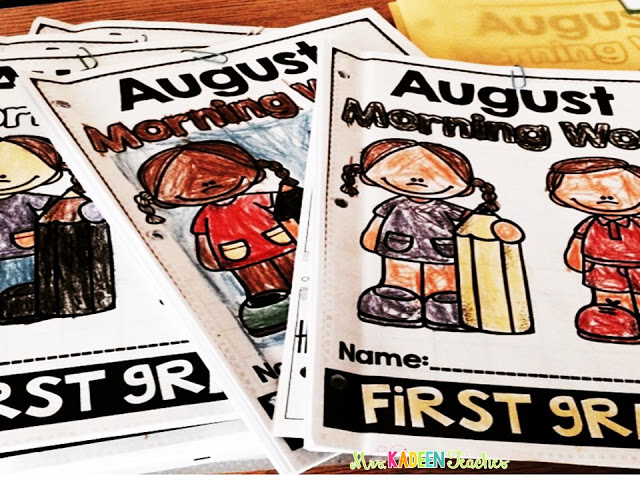
HERE’S WHAT A TYPICAL MORNING LOOKS LIKE
Students arrive and put their bags and folders away. Then, they sit at their desks to begin their morning work. I always have their folders on their desks with pencils before they arrive. This prevents them from wandering, getting distracted, and needing to sharpen pencils. They work on the page where we left off After about 10-15 minutes, I project that page on the document camera, and we review it. Students like to put a check mark in their books if they got it correct, and I can quickly see where they may need more help. They close their folders, put them away and get ready for our announcements and morning meeting time. In August, when they first begin this routine, I work through the morning work book with them. Once they get the hang of it, they do it all on their own, and we review it. For concepts that have not yet been taught, I either do a quick teach or have them circle that concept for us to revisit another time. Most of the time, I do a quick teaching of the concept.
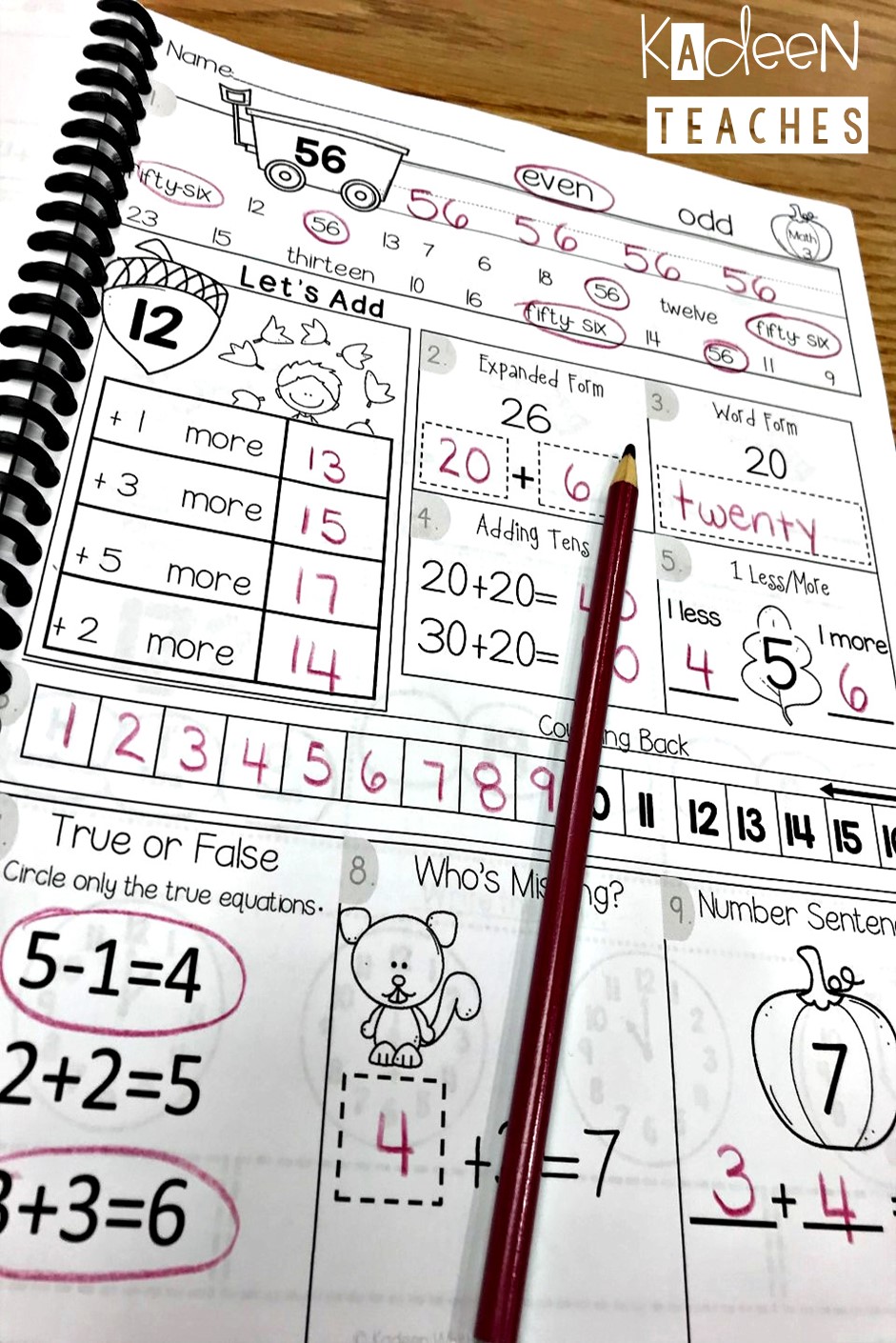
Model everything! The content progressively gets harder and changes minimally throughout the year. It spirals through content students have already learned. Keep a countdown timer on your board so everyone knows how much time they have to work on their morning work page for the day. Some mornings, you can even switch it up by having students work with a partner or by having quiet time for morning work. Choose what works best for your class. The first two months of the first-grade morning work spiral through letters A-Z and numbers 1-20 as a review of kindergarten concepts.
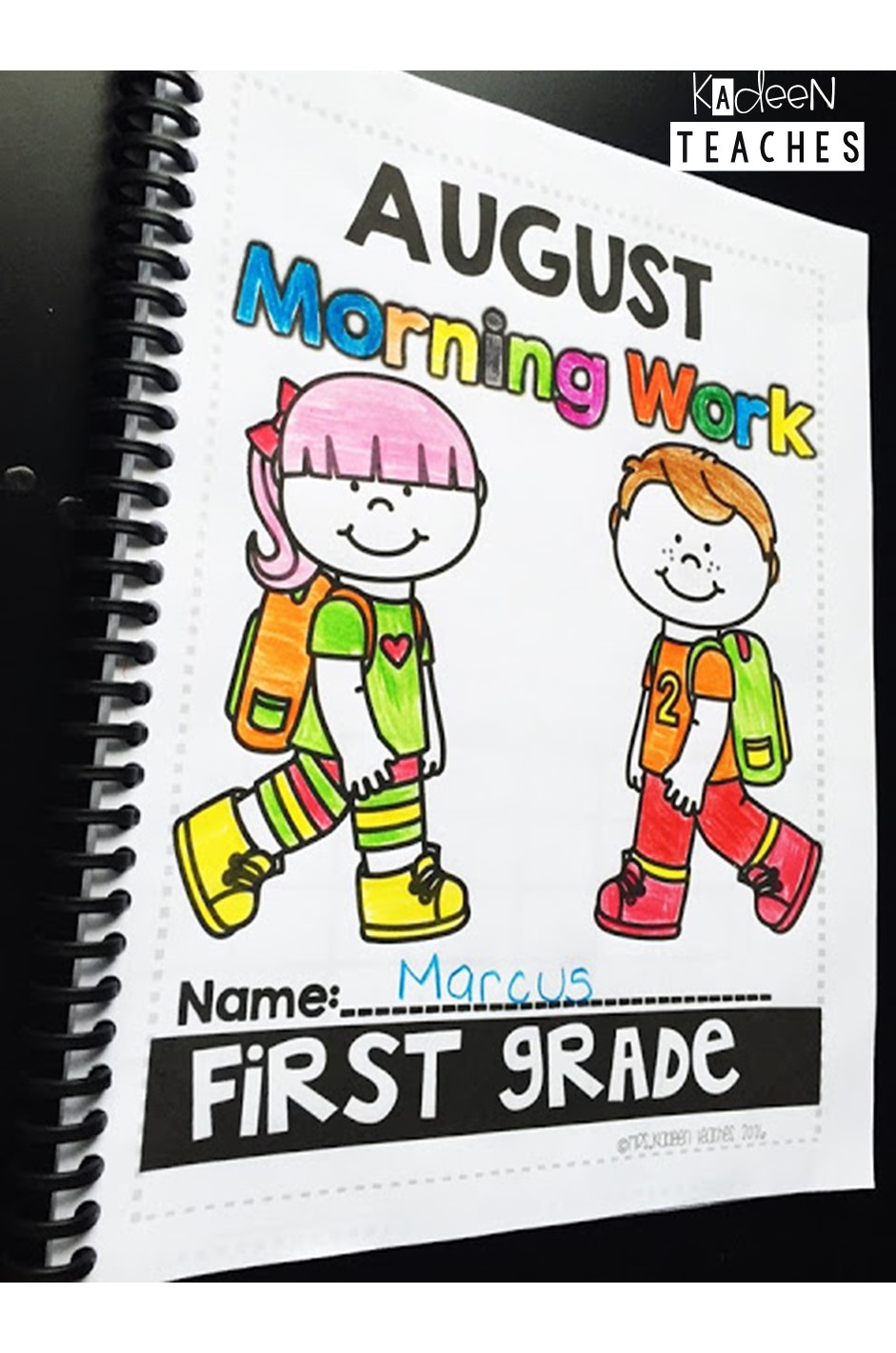
Ready to Get Started?
A strong first-grade morning routine isn’t about keeping kids busy. It’s about giving them a clear, predictable structure that supports both behavior and learning from the very first few minutes of the day. This monthly spiral review morning work system can help make your mornings run a bit smoother and help your students retain important information they have been learning, with the B.E.S.T. standards and foundational skills incorporated throughout. With the right routine in place, mornings become manageable, predictable, and purposeful. Ready to get started? Tap on any of the links or pictures in this post.