teaching sight words in context with sight word readers and poems
I’m sure we’ve all experienced this in the classroom. We spend time teaching what we commonly call sight words. These include high-frequency words, as well as words with irregular spellings, that we want students to recognize automatically. We assess our students from a sight word list, and everything looks great. They quickly identify each word on the assessment, so we feel confident they have mastered them. Then, a week later, those same words appear in reading and suddenly students hesitate or cannot recall them at all.
Why Does this happen?
The answer is that simply teaching the words we want students to recognize as sight words in isolation is often not enough. Lasting learning happens when students repeatedly encounter those words in meaningful, connected text. This repeated exposure supports the automatic word recognition needed for fluent reading. This is especially true with irregularly spelled words and words that contain phonics patterns that students have not explicitly learned as yet. Even when these words are taught as heart words in isolation, students often need repeated exposure in meaningful text that helps move them into long-term memory.
READING IN CONTEXT
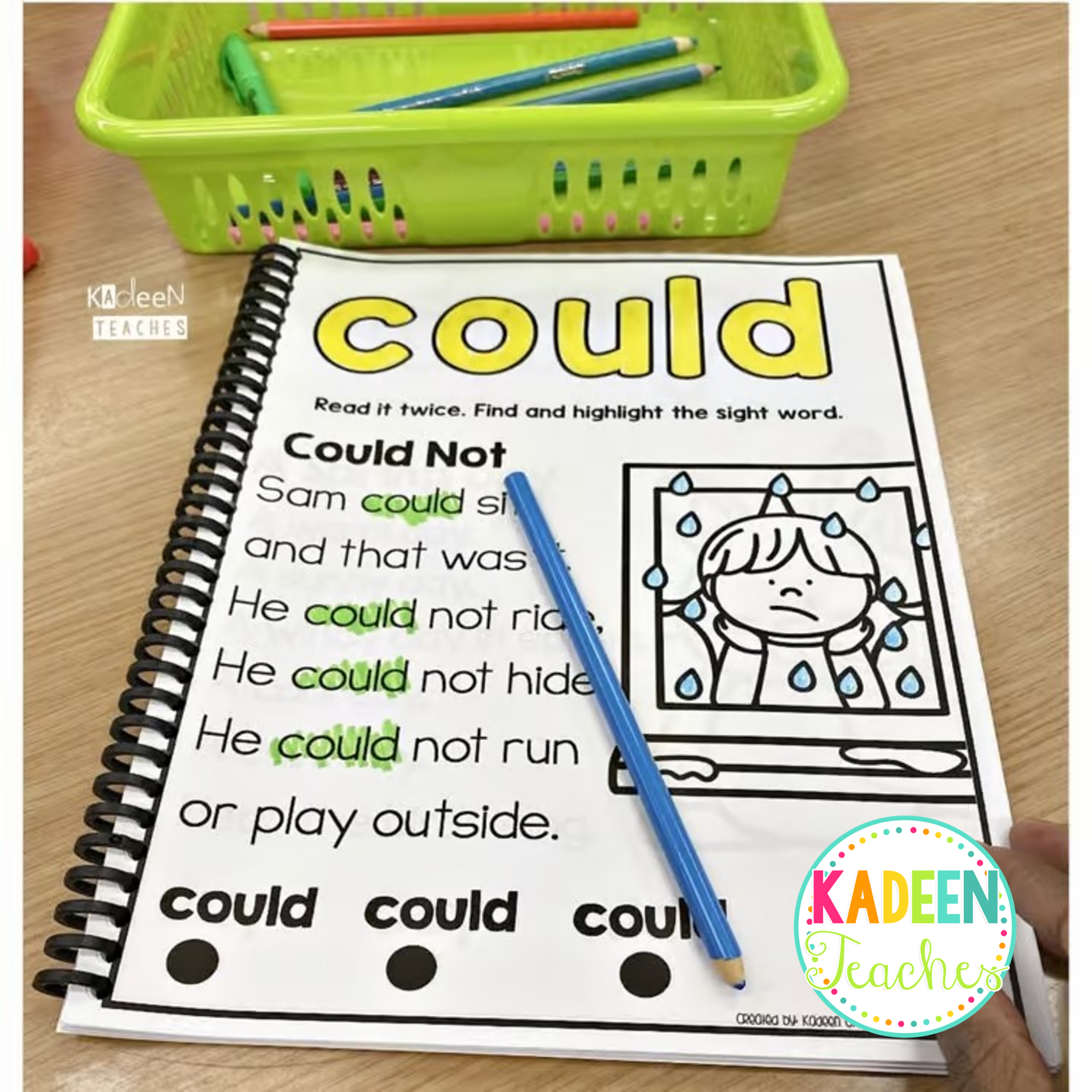
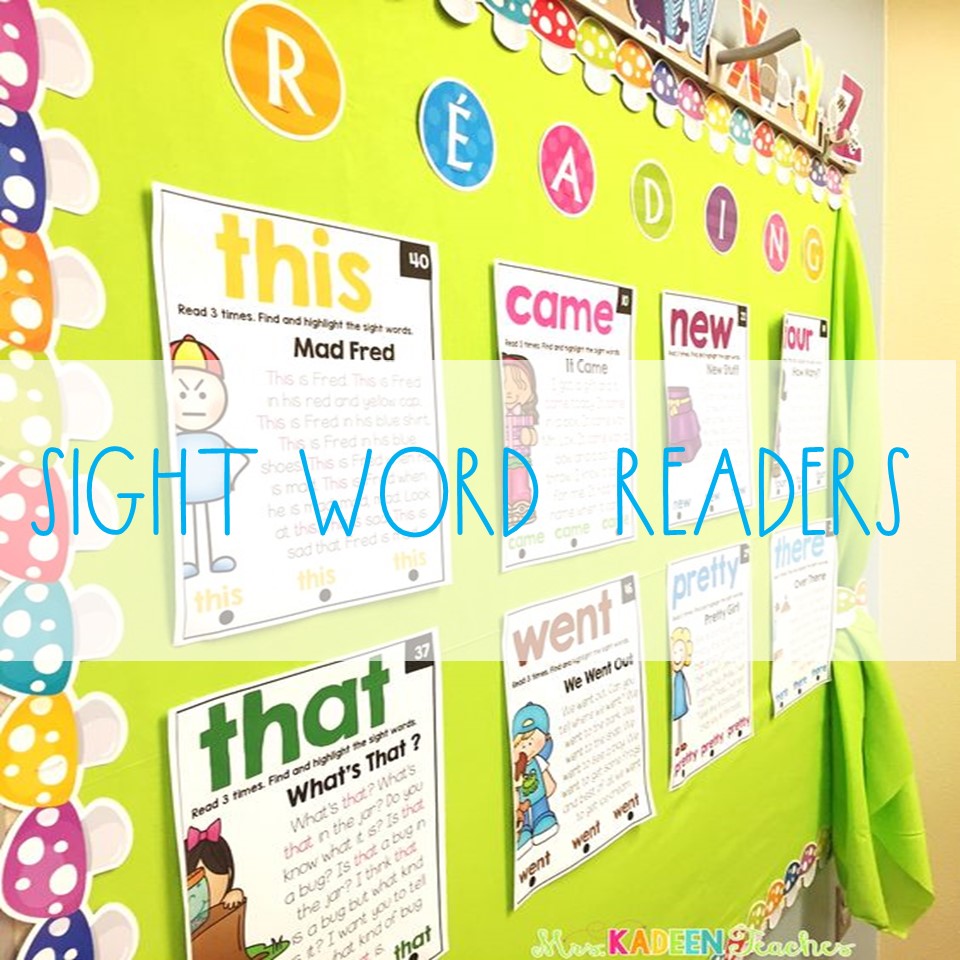
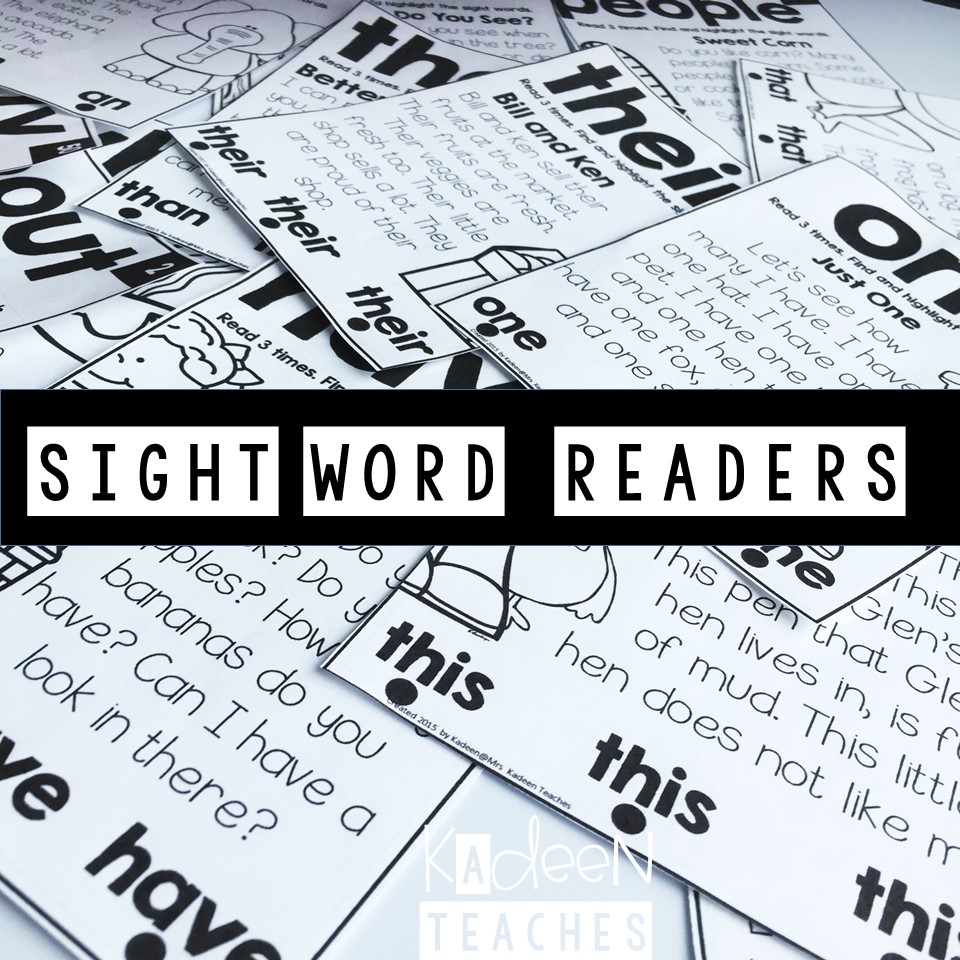
This is where sight word readers and poems come into play. Instead of being exposed to the words only in isolation, students read them repeatedly in fun, engaging poems and stories. This repeated, contextual reading is effective for retention and fluency, supporting automatic word recognition over time. According to the Science of Reading, words become sight words through a process called orthographic mapping. Orthographic mapping occurs when students connect the letters in a word to its sounds, pronunciation and meaning, allowing it to be permanently stored in long-term memory. This process is strengthened when students repeatedly encounter the words in readings rather than in isolation. Tap on any of the links or pictures in this post to find the sight word fluency readers and poems.
This approach also aligns with Scarborough’s Reading Rope, which illustrates that skilled reading develops through partnership of word recognition and language comprehension. As students develop automatic recognition of words, they can devote more of their cognitive energy to reading comprehension instead of decoding or trying to figure out words.
If you’ve ever wondered why students can earn a perfect score on a sight word assessment but struggle to recognize those same words during reading, the missing piece is often a lack of repeated exposure reading those words in context.
An added benefit of sight word poems or sight word readers is that students are exposed to rich vocabulary words in context. Even when some of the words include phonics patterns that have not yet been taught, repeated reading of a simple story or poem allows them to naturally become familiar with the words and begin adding them to their vocabulary “bank”. For example, a poem might include words like enormous or sunflower.
At first, students may not be able to decode or fully read these words independently, but through repeated exposure they begin to recognize them. This helps to expand students’ oral language and reading vocabulary beyond what is explicitly taught.
Plus, poems are naturally a fun way for your first graders and kindergartners to practice reading. Their catchy rhythm and repetitive language make students want to read them multiple times, providing the repeated practice needed to strengthen retention and fluency.
Here are a few ways to incorporate sight word readers and poems into your classroom.
Choral read a poem each week for irregularly spelled words your students have learned.
Have students rewrite a poem at centers or write their own poem using the focus words. This writing connection strengthens memory because students are actively retrieving and using the words rather than just seeing them. When students read, write, and reread the same sight words in different contexts, it creates stronger mental connections and improves long-term retention.
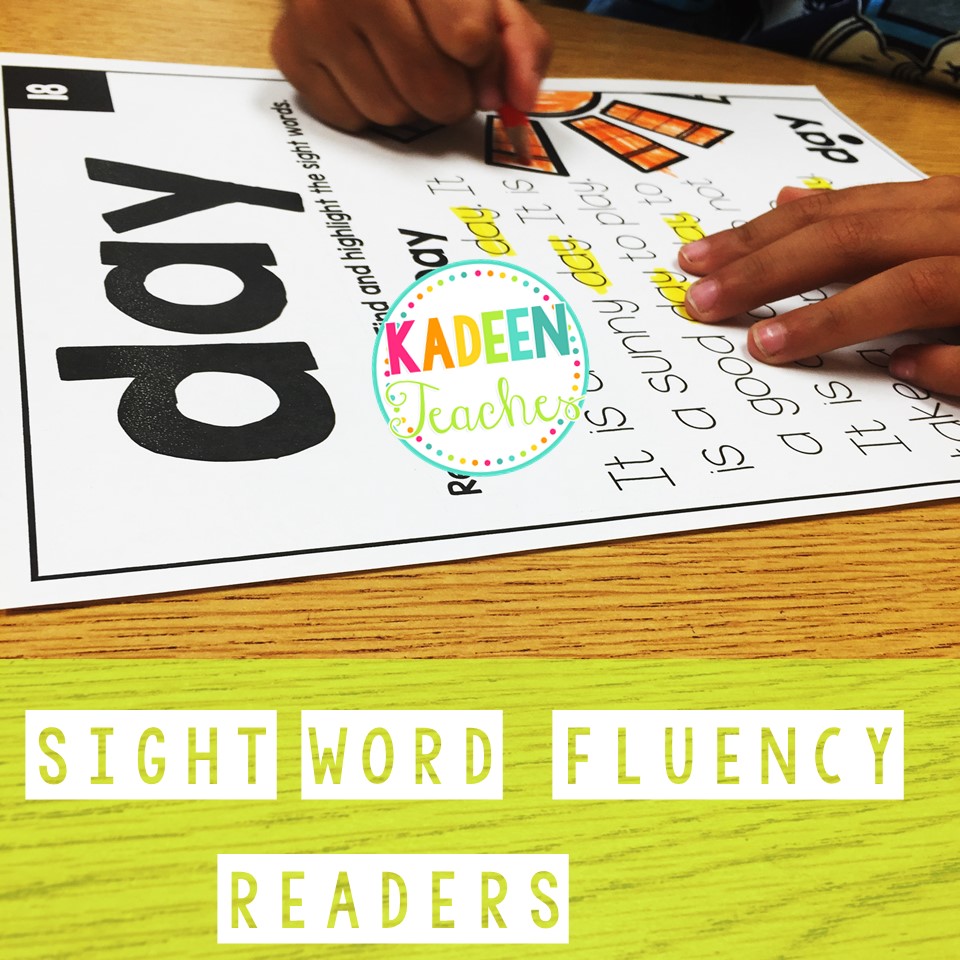
Have students highlight or find the sight words in the poems and stories thy are currently reading.
Play a reading game similar to musical chairs where students move around the room to music. When the music stops, they find a partner to read the poem together. Repeat several rounds so that students have multiple opportunities to reread the poem with different classmates, increasing exposure and fluency practice.
Echo read the poem in a small group with students.
Reread a story or poem independently.
Send a poem or story home for additional reading.
Ready to get started with sight word poems?
Tap on any of the links below to see all the sight word readers and poems.

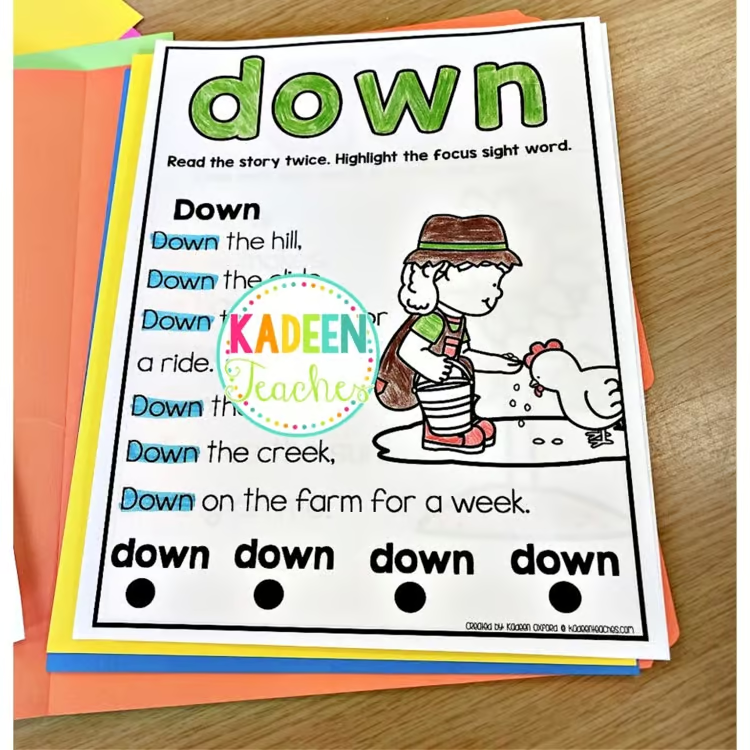
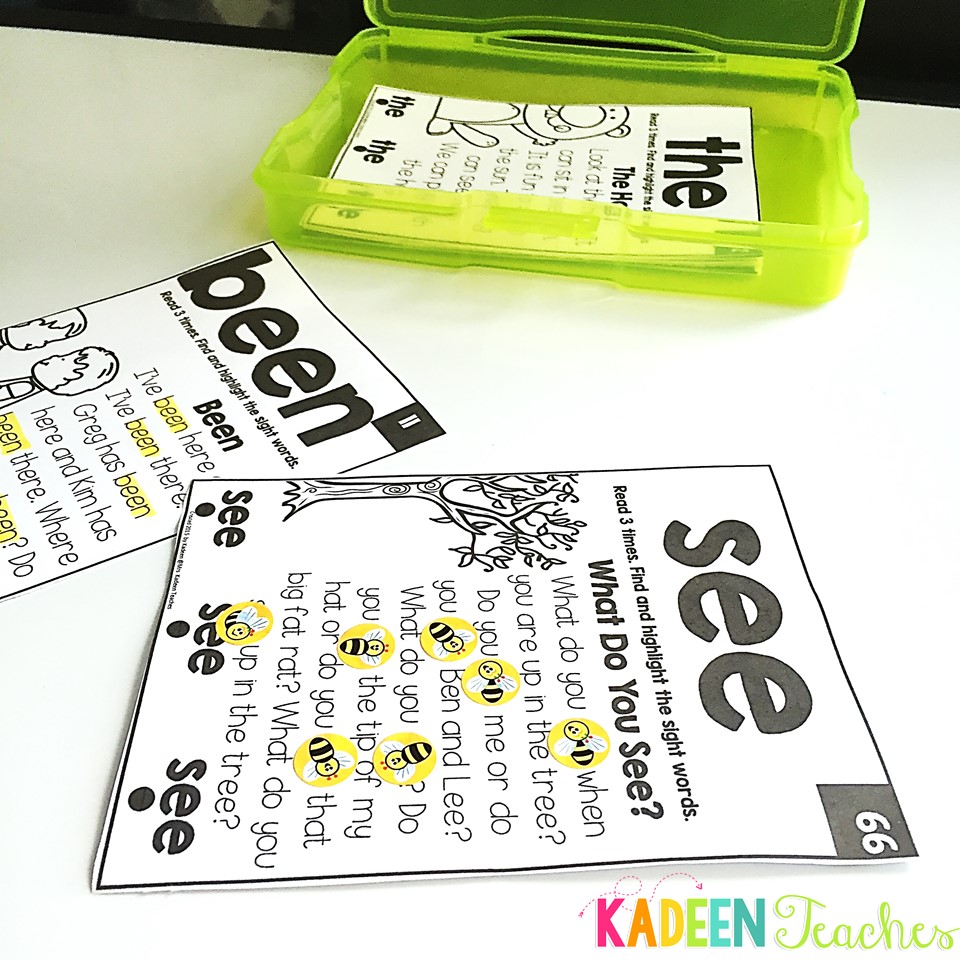 IDEAS FOR USING SIGHT WORD READERS AND POEMS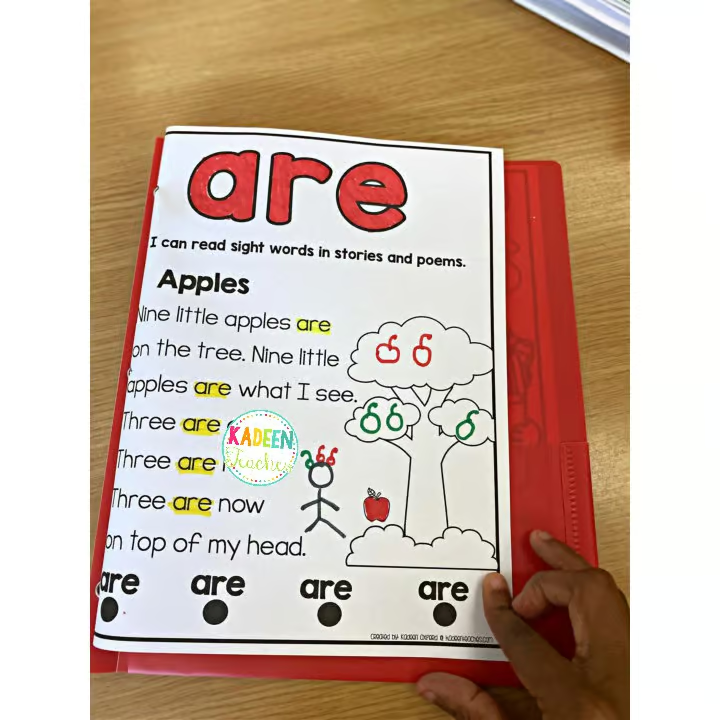
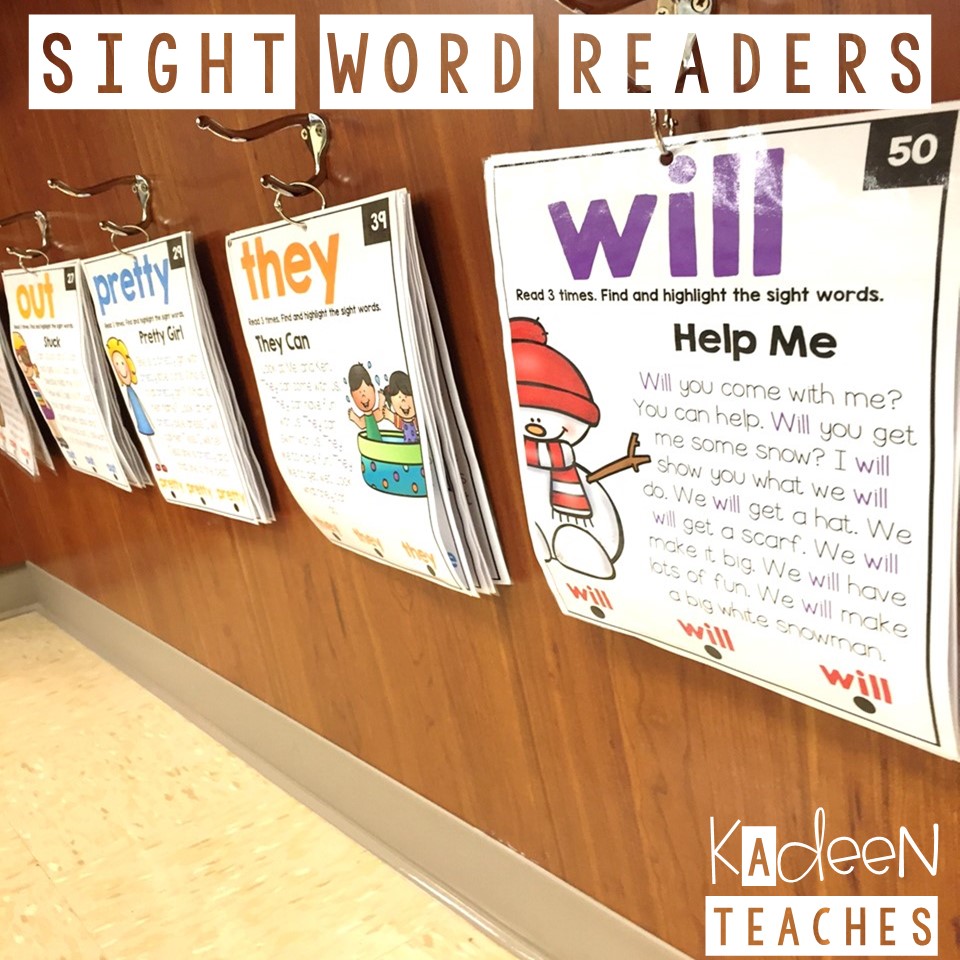
I need sight words sheets
You can purchase from the website.
Well designed and perfect for my pre-K child! Love this!!
I like what you have shared..it would be of great help to my class.