
What standard are you teaching this week? For this post, we are looking at the following standard.
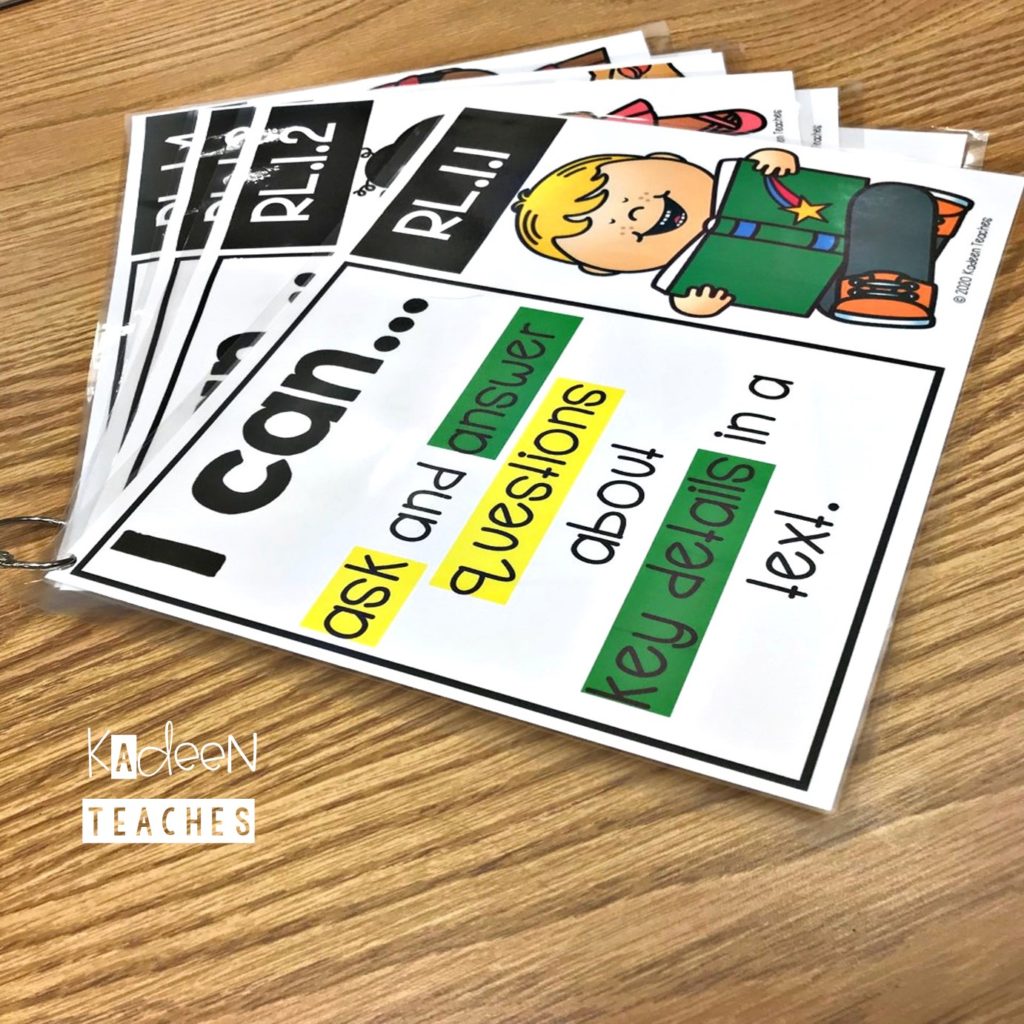
It’s important for students to be able to ask questions about the text that they are reading as well as answer questions pertaining to said text. Engaging students by prompting them to ask and answer questions builds interest in the text, peaks curiosity and helps students to better understand what they are reading. This standard spans both literature and informational text .
Most of the resources you see in this post are free to you. Join our teacher tribe by adding your email below to receive the resources you see in this post .
We prompt students to ask questions before, during and after reading.
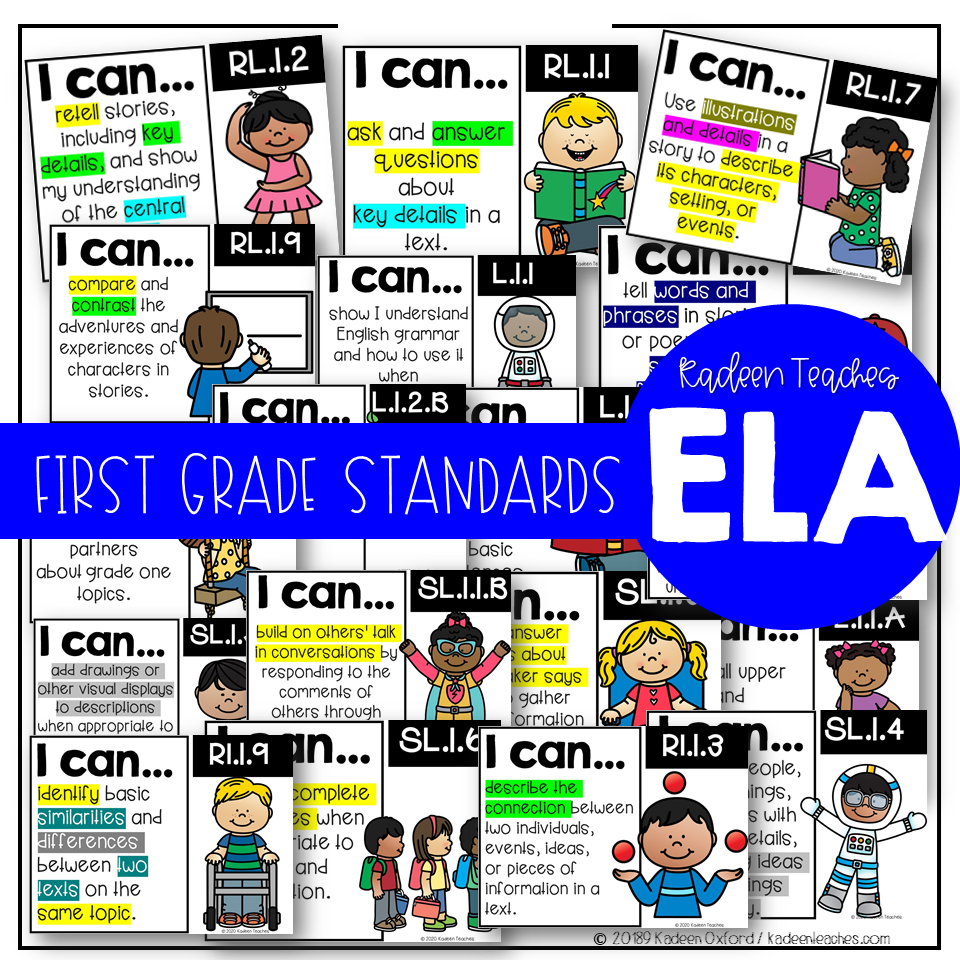
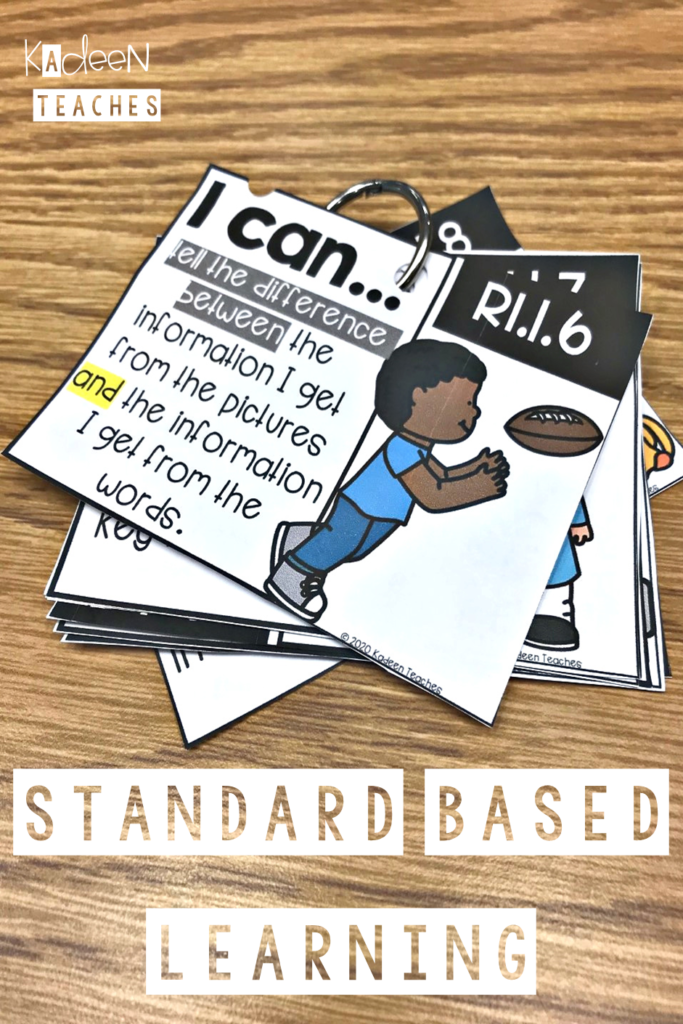
I often start this lesson by using a PowerPoint that has the standards in student-friendly terms. We choral read and dissect the specific standard. We underline or highlight key vocabulary words within the standard and discuss word meanings.
You can grab the PowerPoint with the standards HERE:
Though this is a PowerPoint with all the ELA standards, you are able to print the slides to post in your classroom. This pack also includes some editable templates that you can use to rewrite or add standards.
Though I may post the standards in the classroom, as is required by many schools; I find it so much more effective to have students interact with it in this way so that throughout our week long study of the standard, they are truly learning and understanding. I’ve often used the PowerPoint during observations. Administrators are usually impressed that they are choral reading the standard, and explaining to each other their understanding of it.
We use this standard throughout the entire year, as we are always prompting students to ask and answer questions about whatever text we are reading.
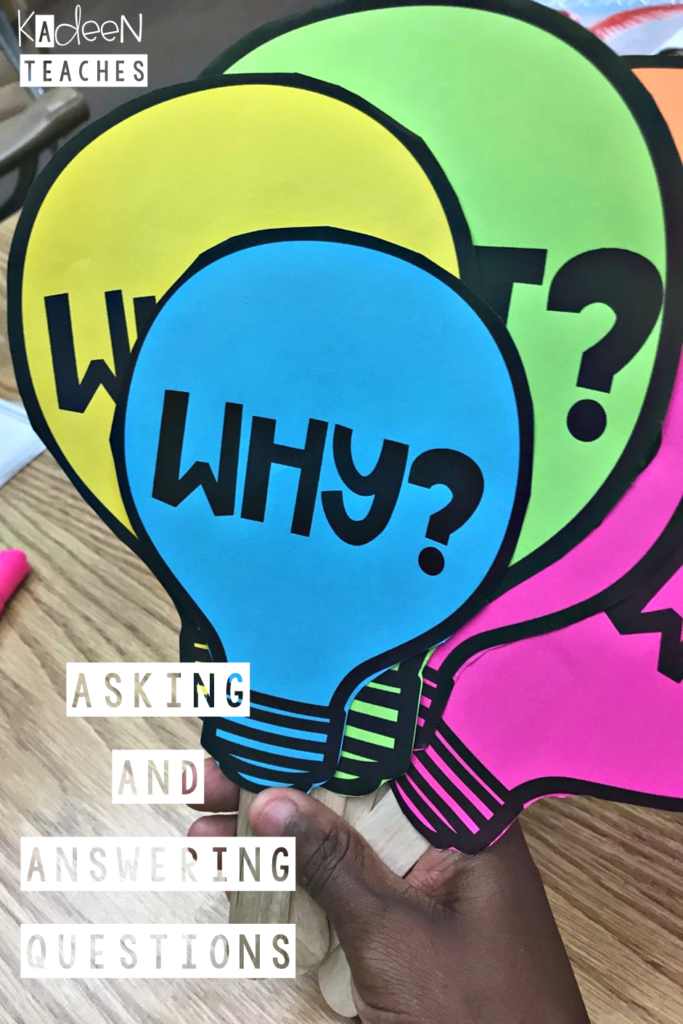
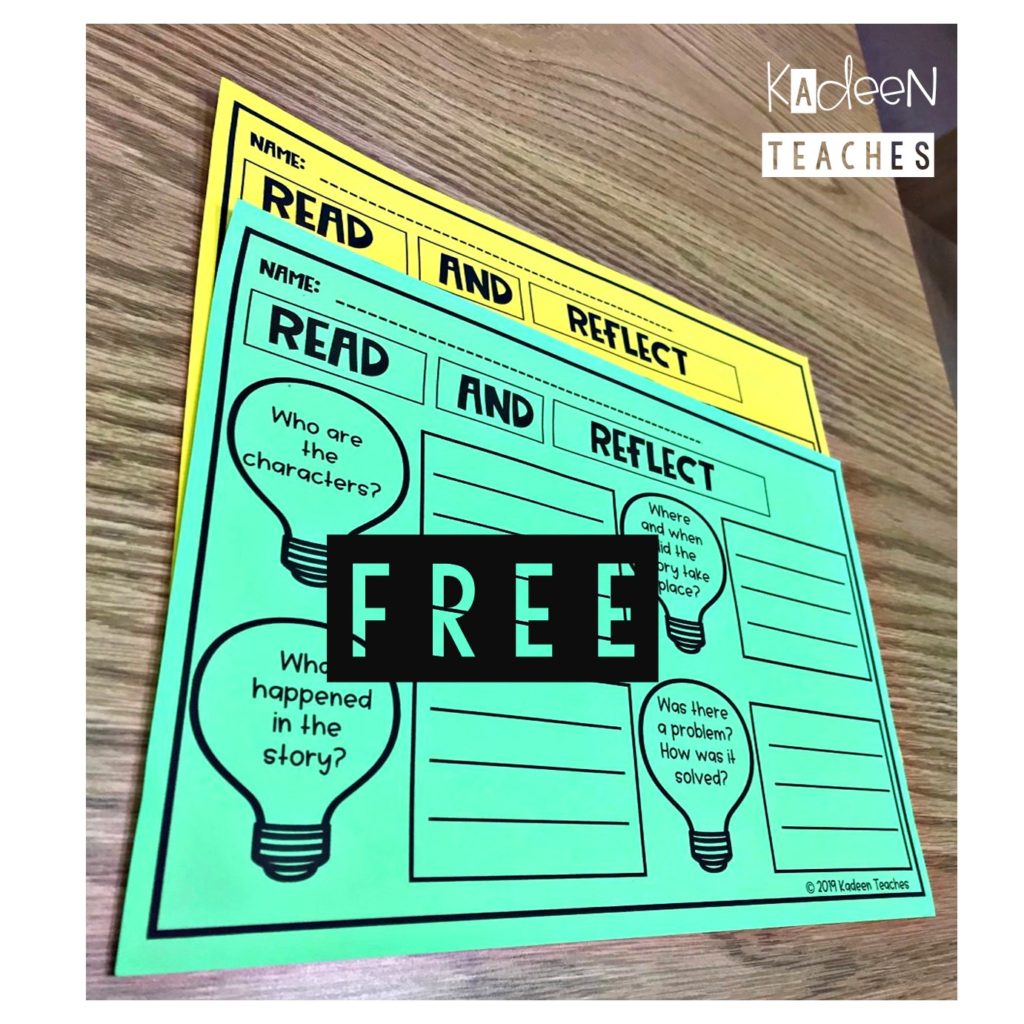
Grab these free question and answer tools by entering your email below.
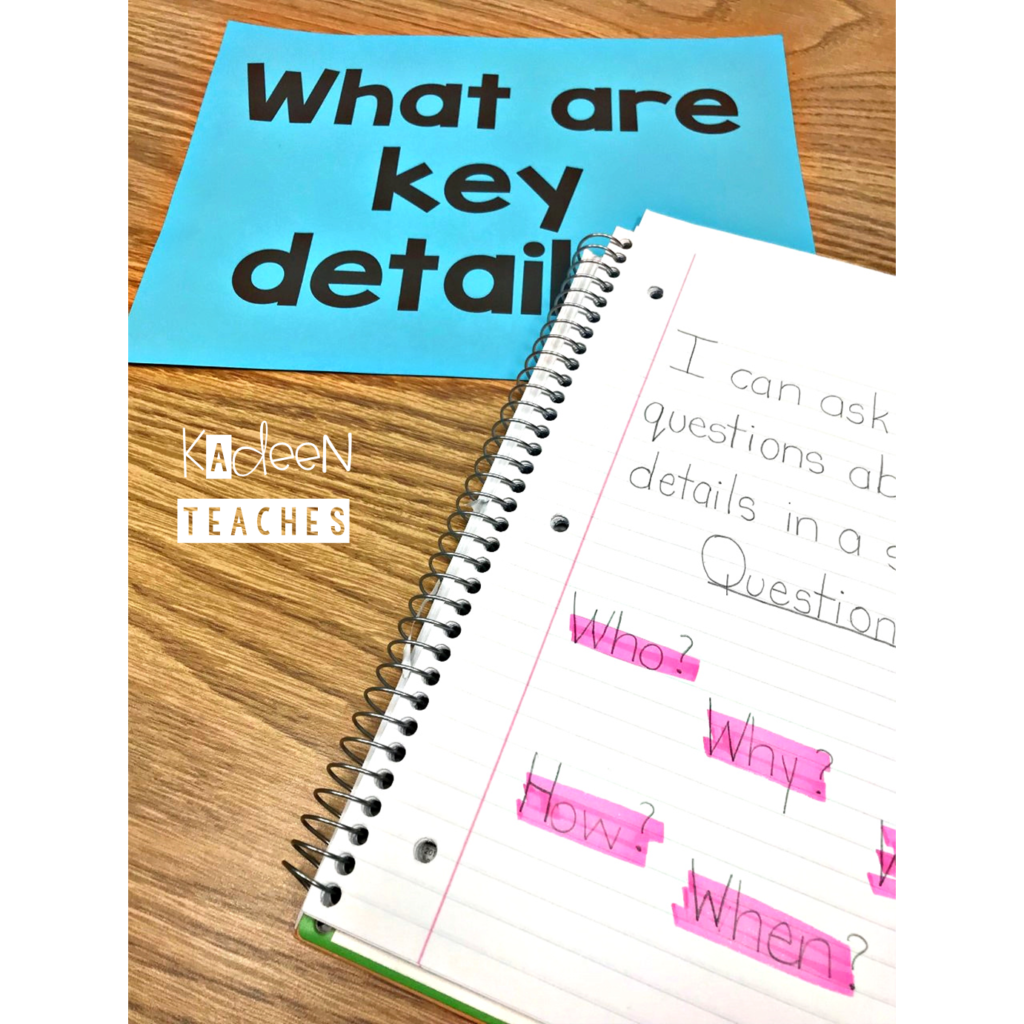
Next, students write the standard in their vocabulary notebook. This is actually their favorite part, because they get to take highlighters and highlight key vocabulary. I often find my kids going back through their notebooks to review terms and see examples we’ve discussed. It’s also a great way to pull in some handwriting practice. Have students partner up to discuss what they understand about the standard. What does it mean to ask and answer questions? What are the key details? What does “text” in this context mean? It’s really important to break it all down. Expand student vocabulary by explaining key concepts.
Activate prior knowledge before diving into this standard by reviewing questions and statements. In this activity, students sort sticky notes. Write a few questions and write a few statements. Have students work together to sort them correctly.
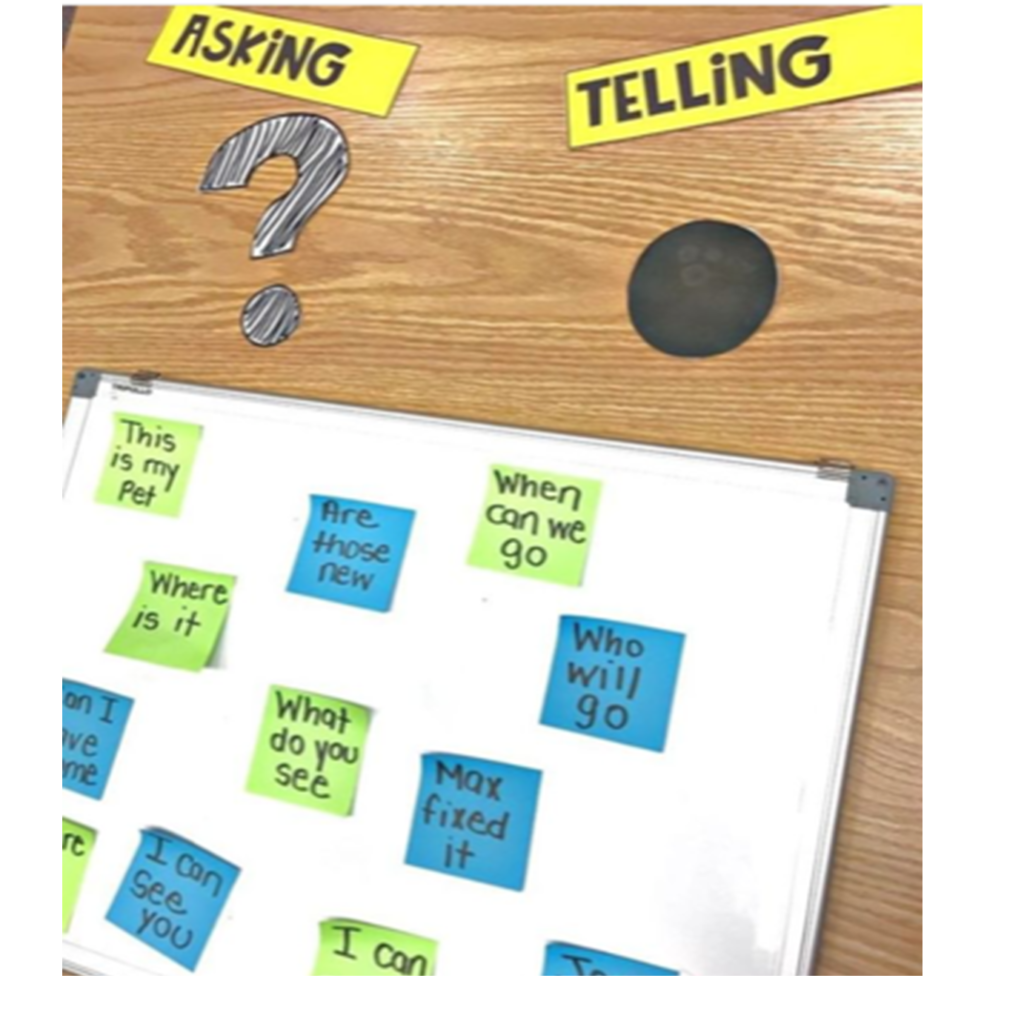
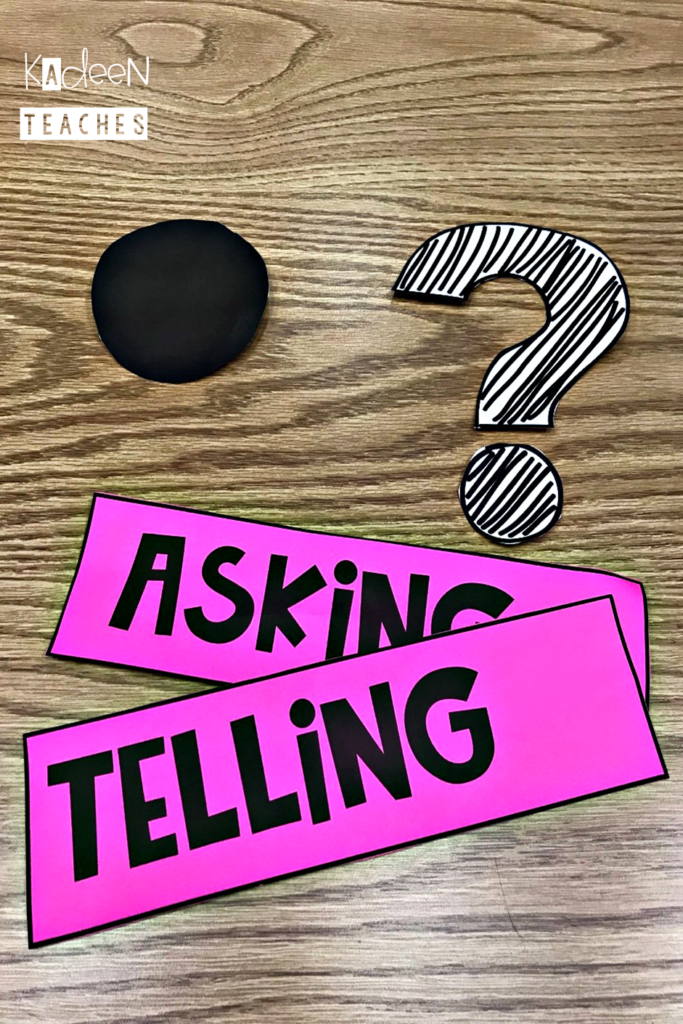
This is an easy activity to do. You can also have them practice asking a friend a question or telling a friend a fact.
After reviewing questions and statements, we turn to our text.
You can say, for example, ” Today we are reading a story about Flying Cats. Before reading, let’s look at the illustrations. What do the pictures tell you? What do you notice already? What are you curious about?” I like to chart some of these student questions so that as we read, students can determine if their questions were answered throughout the text. In addition, show students how to reference the text to answer questions. Identify answers that are stated explicitly in the text. Talk about how we can use the clues to make inferences about what’s not directly stated in the text.
Choose topics and books that peak interest. As always, make sure the text is short and succinct so that students can process the amount of information they are being given and you don’t lose them along the way. I always find that shorter passages are more effective. Stop at various times throughout the reading to ask open-ended questions.
Examples of questions before reading:
Based on the cover, what do you think the story will be about? What do you already know about this topic? What would you like to learn about this topic?
Examples of questions during the reading:
Who are the characters in the story? What’s a problem in the story? Did the main character change throughout the story?
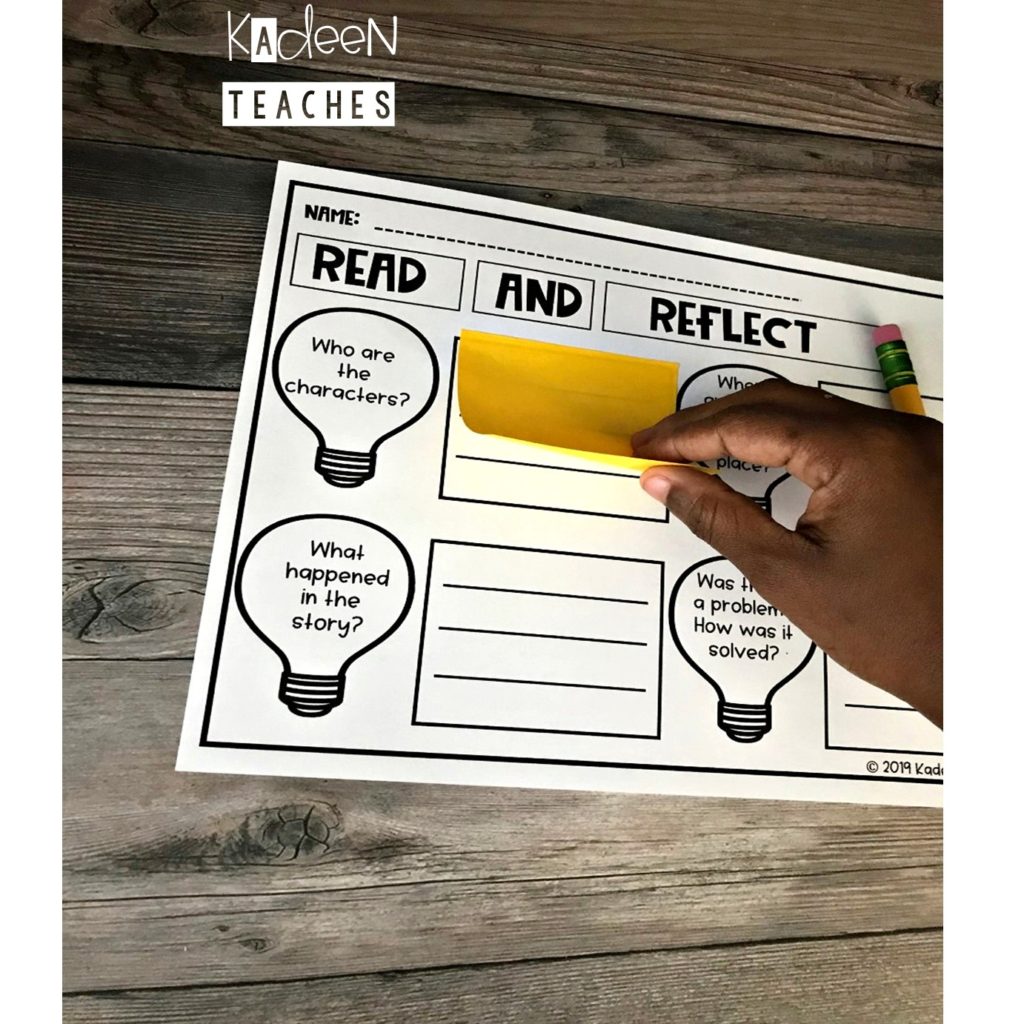
Examples of questions after reading:
Did you think the story would end this way? What are some new words you learned in this story? Have you ever been in a situation similar to the one we read about today? Can you tell of a time you had a hard problem to solve? How did you solve it?
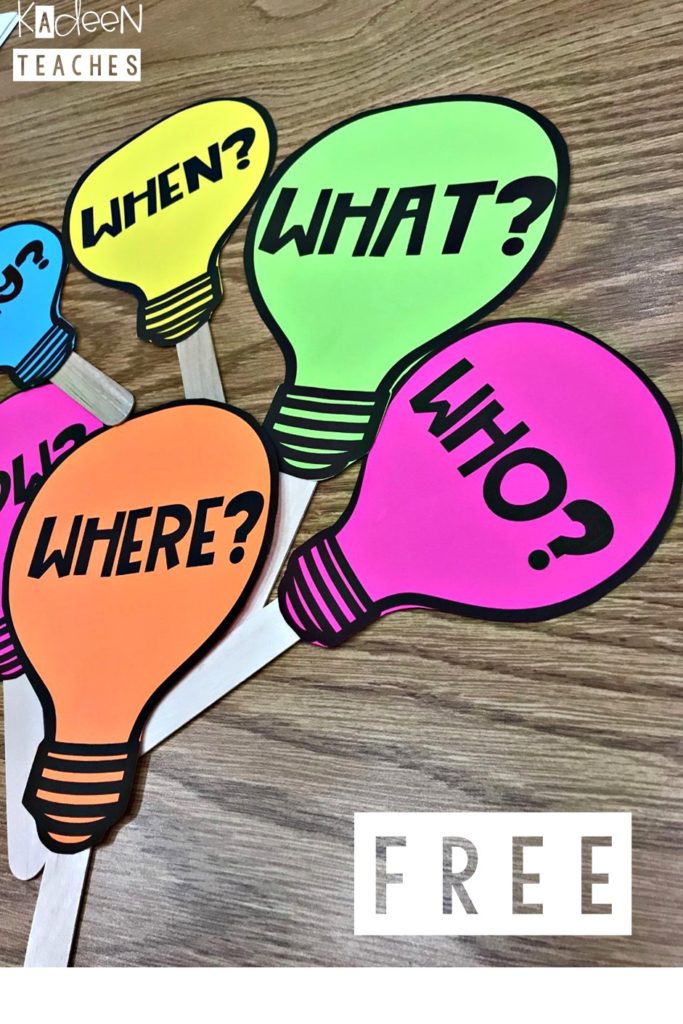
Asking and answering questions about a specific text helps our little learners to become better readers. There are so many fun and interesting ways to teach this standard. What are some of your favorite ways for tackling this standard?